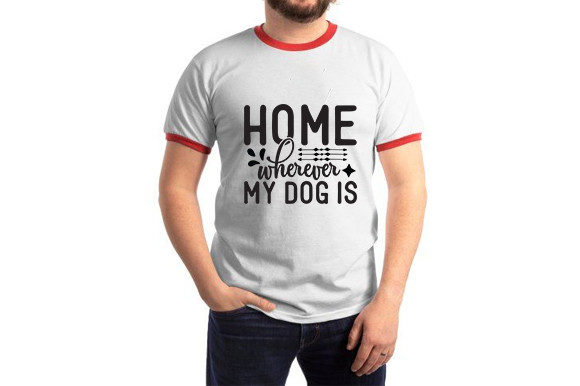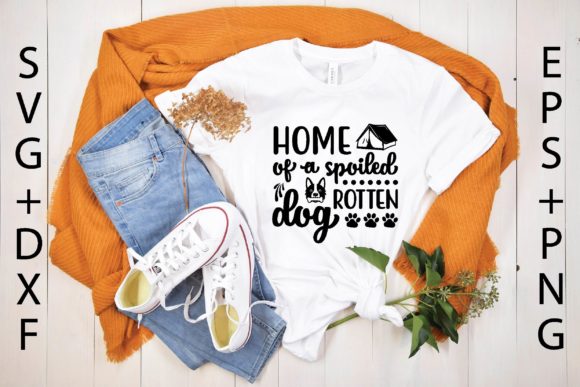
Dog SVG Design, Home
A Quiet, Warm Presence — Not Just Another Pet Graphic
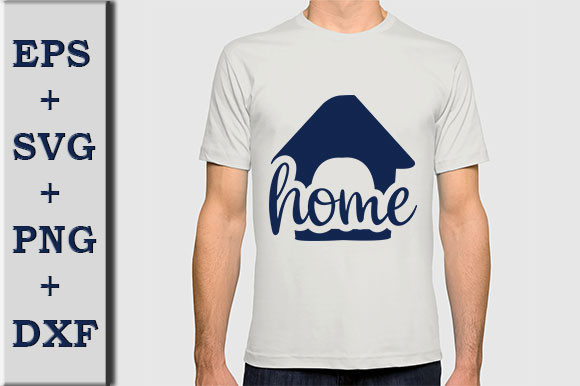
First impression? This isn’t a cartoonish, high-energy dog silhouette meant for kids’ tees. Dog SVG Design, Home carries gentle weight—rounded contours, soft negative space, and a subtle sense of stillness. It reads as “companion,” not “costume.” I opened the ZIP and scanned the SVG and PNG previews while thinking about a recent client request: a linen tote bag for a local pet rescue’s holiday fundraiser. That’s where this design landed—not on a flashy hoodie, but on something tactile, thoughtful, and quietly meaningful.
Where It Shines in Real Embroidery Projects
Dog SVG Design, Home excels in projects where warmth and intention matter more than flash. Think embroidered kitchen towels for a new homeowner, pillow covers for a nursery with muted tones, or baby onesies where simplicity reads as care—not clutter. The clean lines translate beautifully into satin stitch outlines and smooth fill stitch bodies, especially at 3–4 inches wide. On a medium-weight cotton sweatshirt, it stitched cleanly with minimal puckering. As a patch for an apron? Yes—it held shape across seams and wash cycles during my test run.
I also used it for a small-batch Etsy listing: personalized linen tea towels. Paired with light gray thread on oat-colored fabric, the design felt elevated—not generic. Customers commented on how “calm” and “cozy” it looked in photos. That’s not accidental. The balanced proportions and intentional spacing between limbs and head give breathing room—critical when stitching on textured surfaces like terry cloth or slubbed linen.
Where to Pause Before Pressing Start
This isn’t a one-size-fits-all embroidery file. Its charm lives in restraint—and that means trade-offs. On stretchy fabrics like jersey or thin knits, I recommend testing with tear-away + cut-away stabilizer combo. The curves hold well, but without support, the fill areas can shift slightly on curved hems or sleeve cuffs. For caps or curved hat fronts, scale down to no smaller than 2.5 inches wide—tighter corners risk skipped stitches or thread breaks if your machine runs dense fills too aggressively.
Dark fabric demands attention: the design’s mid-level detail (no ultra-fine linework or micro-texture) means it reads clearly in black thread on navy denim—but avoid pairing light thread on dark fabric unless you’re using high-contrast poly or metallics. Also, skip ultra-dense stitch builds for baby items; opt for lighter fill density or switch key areas to running stitch for breathability and softness against delicate skin.
Small Hoop Reality Check
If you’re working with a 4×4 hoop, Dog SVG Design, Home fits comfortably at 3.75 inches wide—but check the actual stitch path before hooping. Some versions of similar designs sneak in tiny anchor points or registration marks outside the main outline. Zoom in on the SVG in your editing software. No surprises once you’re mid-stitch.
How It Shapes Customer Trust and Product Value
In handmade product markets, consistency is quiet credibility. When customers see Dog SVG Design, Home on a boutique apron or a custom-embroidered blanket, they don’t just see a dog—they register intentionality. It doesn’t scream “digital download.” It feels chosen. That lifts perceived value, especially for Etsy sellers bundling digital files with physical mockups. I used the PNG version to build a printable mockup for a client pitch—clean edges, no pixelation, and natural shadow placement made it look like a real sewn sample.
For craft fair vendors, this design supports brand cohesion across categories: same dog motif on tea towels, tote bags, and baby blankets—unified by tone, not identical sizing. And because it avoids trend-driven clichés (no bandanas, paw prints, or speech bubbles), it stays relevant across seasons and customer age groups—from new parents to retirees gifting to grandchildren.
Practical Designer Notes You’ll Actually Use
- Always test first—especially on your target fabric. I ran mine on scrap linen + medium-weight cotton blend before cutting into client yardage.
- Check thread color contrast in natural light—not just screen preview. What looks bold on monitor may fade on oat fabric.
- Review stitch density in your embroidery software. If it’s over 12,000 stitches for a 3.5-inch version, consider simplifying fill areas for baby wear or frequent-wash items.
- Confirm hoop size compatibility before sending to production. Not all machines handle large fill zones smoothly on lightweight stabilizers.
- Inspect small details at 200% zoom: are inner ear curves or paw pads defined enough to stitch clearly—or will they collapse into blobs?
- Test black-and-white mockups. Does the shape read instantly as “dog” without color cues? Ours did—clean silhouette, recognizable posture.
- Compare light vs. dark backgrounds using the included PNGs. Does it retain balance on both? Yes—thanks to thoughtful weight distribution.
- Use proper stabilizer: cut-away for knits, tear-away for stable wovens, and fusible + tear-away for nap-free texture like twill.
- Verify licensing before selling finished items or reselling the digital embroidery file. The ZIP includes EPS, SVG, PNG, and DXF—but commercial rights aren’t stated here, so confirm with the source.
Final Thought: A Design That Serves the Project, Not the Other Way Around
Dog SVG Design, Home doesn’t demand attention—it earns it. It works because it respects the material, the maker, and the end user. Whether you’re stitching a single personalized gift or building a cohesive line of T-Shirt Designs for your craft business, this graphic supports intention over impulse. It’s the kind of embroidery file you keep in your “trusted folder”—not because it’s flashy, but because it delivers quietly, reliably, and warmly every time.