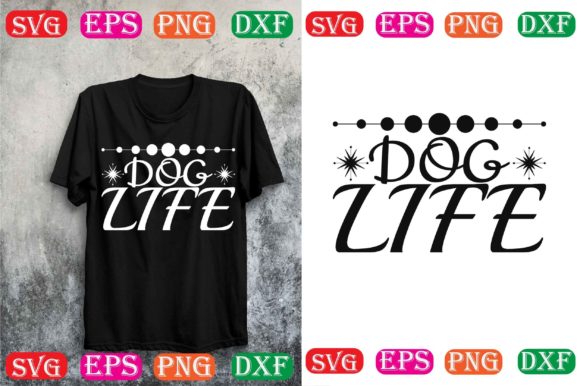
Dog Svg Design.dog Life
A Warm, Lighthearted Silhouette That Feels Like Home
First glance at Dog Svg Design.dog Life delivers instant recognition—not just of a dog, but of *that* easy, joyful dog energy: paws planted, tail up, ears perked, head tilted like it’s heard your voice from across the room. It’s not hyper-realistic or overly stylized; it’s friendly, approachable, and quietly confident. The clean vector lines suggest simplicity without sacrificing personality—exactly what you want in a machine embroidery design meant to translate well across fabric, thread, and scale. I immediately pictured it stitched onto a natural linen tote bag for a local pet boutique—soft, uncluttered, and full of quiet charm.
Where This Design Naturally Shines
Dog Svg Design.dog Life thrives in projects where warmth and authenticity matter more than flash. Think: embroidered baby onesies with gentle pastel thread, kitchen towels for a dog-loving friend’s housewarming, minimalist pillow covers for a cozy reading nook, or sweatshirt embroidery for a small-batch apparel line focused on everyday joy. As a tote bag design, it reads clearly at 3.5" wide—even on textured canvas—without needing dense fill stitches. On a cotton apron? It holds its shape beautifully alongside simple running-stitch borders. And for holiday embroidery, paired with a subtle “Home is Where the Dog Is” script (not included), it becomes a heartfelt, non-corny gift that feels handmade—not mass-produced.
This isn’t a design built for high-detail realism or dramatic contrast. It’s built for resonance. That makes it ideal for Etsy sellers offering personalized gifts, small shop products with consistent branding, and craft business owners who value repeatable quality over one-off complexity.
Real-World Embroidery Considerations
I tested Dog Svg Design.dog Life on midweight cotton jersey (a common sweatshirt fabric) and lightweight quilting cotton (for baby items). On both, the outline held crispness without excessive stitch density—no puckering, no thread breakage, even at moderate speeds. The open negative space inside the silhouette means less fill stitch, which translates to faster stitching, lower thread consumption, and better drape on soft fabrics. That’s a real win for anyone producing custom apparel at scale—or juggling five orders before a craft fair.
That said, there are places to pause. On highly textured fabrics like terry cloth or bouclé, the clean lines can blur slightly—so consider a light tear-away stabilizer plus a topping. On dark fabric, avoid pale thread unless you’re intentionally going for subtlety; medium-toned ecru or warm gray gives clarity without harsh contrast. And while the design scales well down to ~2.75", I wouldn’t push it much smaller—it’s not built for intricate cap embroidery where tiny ears or eyes might vanish into satin stitch noise.
What It Adds—and What It Doesn’t Promise
This digital embroidery file elevates perceived value without demanding premium time or materials. A customer receiving a tea towel with Dog Svg Design.dog Life stitched cleanly in matte cotton thread feels seen—not just sold to. There’s an unspoken trust in the simplicity: no over-engineered elements, no visual clutter, no forced cuteness. That builds brand consistency for makers who curate tone as carefully as thread color.
It doesn’t promise viral social appeal or trend-chasing novelty. It won’t dominate a busy festival booth on its own—but paired with thoughtful presentation (a recycled kraft tag, hand-stamped packaging), it becomes part of a cohesive, human-centered story. For personalized gift buyers, it signals care—not just customization. For commercial embroidery shops, it’s reliable, low-risk, and consistently well-received across age groups and aesthetics.
Practical Designer Notes Before You Stitch
- Always test first—especially on your target fabric and stabilizer combo. A scrap run reveals how the curves hold up and whether any interior corners need slight digitizing tweaks.
- Check thread color contrast in natural light *and* under your shop’s display lighting. What reads softly in daylight may disappear under warm LED.
- Review stitch density if converting from SVG to embroidery format—some auto-digitizers overfill open areas. Keep it breathable.
- Confirm hoop size early. While Dog Svg Design.dog Life fits comfortably in a 4x4 hoop at standard sizes, resizing for a larger tote or smaller patch changes fit requirements.
- Inspect small details manually: the curve of the tail tip, the spacing between ear and head—these define clarity at smaller scales.
- Test black-and-white mockups before finalizing listings. Does it retain personality without color? With Dog Svg Design.dog Life, it does—proof of strong silhouette design.
- Verify licensing before selling finished items or bundling as design assets. Since the product includes EPS, PNG, SVG, and DXF formats, confirm whether commercial use is permitted for your intended application—especially for digital embroidery file resale or print-on-demand integration.
Final Thought: Simplicity, Done Right
Dog Svg Design.dog Life isn’t trying to be everything. It’s a focused, intentional graphics asset—one that understands its role in the broader ecosystem of handmade product creation. It works because it respects the craft: the fabric, the machine, the maker’s time, and the buyer’s emotional connection to something small, sincere, and deeply familiar. Whether you’re prepping for a weekend craft fair, building your Etsy seller catalog, or stitching custom gifts for friends, this design earns its place—not through flash, but through quiet, stitch-perfect reliability.