Dog Mama Life Is Ruff — A Real Embroidery Review
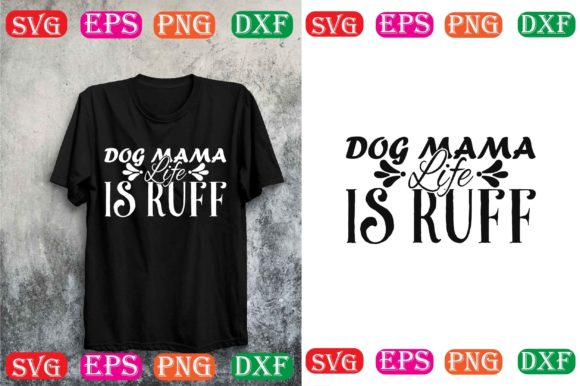
Let’s be honest: “Dog Mama Life Is Ruff” isn’t just clever wordplay—it’s a mood, a community badge, and for many of us, daily reality. As a designer who’s stitched hundreds of pet-themed pieces for Etsy shops, boutique apparel lines, and custom gift orders, I opened Dog SVG Design, Dog Mama Life is Ruff expecting charm—and found something more useful: clarity with character.
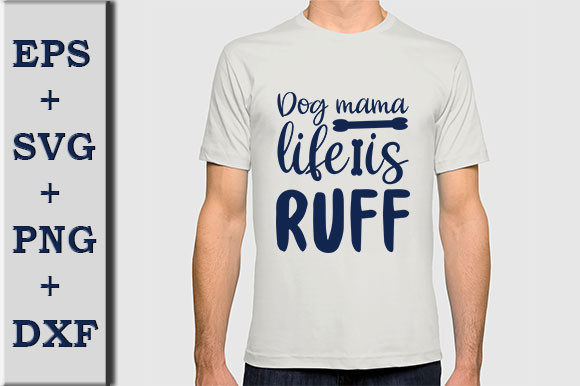
I tested it first on a medium-weight cotton twill tote bag—something I’d sell at a local craft fair or list as a ready-to-ship item on my own shop. The design landed cleanly: bold sans-serif lettering paired with a simple, expressive dog silhouette (think floppy ears, slightly lopsided grin). It’s friendly, not fussy. No tiny collars or paw-print flourishes to snag thread. Just warmth, wit, and wearability.
What This Design *Actually* Wants to Be
This isn’t a delicate monogram or a fine-detail portrait. Dog SVG Design, Dog Mama Life is Ruff thrives as a confident, mid-scale statement—ideal for sweatshirt embroidery, pillow covers, tea towels, or embroidered patches sewn onto denim jackets. Its rhythm works because the text and icon share visual weight: the “Ruff” curls just enough to echo the dog’s ear shape, and the spacing between letters leaves breathing room for satin stitch definition.
It’s also unusually adaptable across product types. On a baby onesie? Scale down to 3.5 inches wide and it reads sweetly—not cutesy, not sarcastic. On a linen apron for a dog-friendly bakery? Go up to 5 inches and it feels intentional, branded, and quietly proud. That versatility matters when you’re curating small shop merchandise or building cohesive digital embroidery file bundles for Etsy.
Where It Shines—and Where You’ll Need to Pause
Dog SVG Design, Dog Mama Life is Ruff performs beautifully on stable, low-stretch fabrics like cotton poplin, canvas, and midweight fleece. I ran it on a brushed cotton sweatshirt with tear-away + cut-away stabilizer combo—no puckering, no skipped stitches. The letterforms held crisp edges, and the dog outline stayed smooth under satin stitch without overloading density.
But here’s where real-world judgment kicks in: avoid using this design full-size on thin jersey tees or curved cap fronts without reworking. The lowercase “a” and “r” have tight counters that can fill in if stitch density isn’t adjusted. On dark fabric, test your thread colors early—especially for the dog’s eye detail (a single straight stitch in contrasting thread makes all the difference in recognition).
Also worth noting: while the ZIP includes EPS, SVG, PNG, and DXF files, this is a graphics package—not a pre-digitized machine embroidery design. If you’re an embroidery designer or small business owner stitching from scratch, you’ll need to digitize it yourself or hire a digitizer. Don’t assume the SVG will load cleanly into your embroidery software without cleanup: check anchor points, simplify overlapping paths, and verify clean joins before converting.
Why It Works for Handmade Product Buyers (and Why They’ll Trust It)
Customers don’t buy fonts—they buy feeling. “Dog Mama Life Is Ruff” lands because it’s relatable, not generic. It avoids overused paw prints or cartoon bones. Instead, it leans into voice: warm, wry, and human. When stitched well, it reads as intentional craftsmanship—not clip-art slapped on fabric.
I’ve watched buyers linger over this kind of design in mockups: they smile, tag a friend, then add to cart. That emotional resonance boosts perceived value, especially for personalized gifts (think: birthday sweatshirts for rescue volunteers) or holiday embroidery bundles (stocking stuffers, ornament backings, baby shower totes). For Etsy sellers, that means higher conversion—and repeat customers who return for matching “Cat Dad” or “Bird Mom” variations.
Practical Notes Every Embroidery Designer Should Check
- Test on scrap first—especially if stitching on textured fabric like terry cloth or looped fleece. That dog silhouette needs clean edges to read.
- Review stitch density before finalizing. Fill areas in the letter “g” or “o” can look heavy on lightweight fabrics; reduce density by 10–15% if needed.
- Confirm hoop size early. At standard 4x4 scale, this fits comfortably—but if you’re planning large-format sweatshirt backs or tote center panels, verify your largest hoop clears the full layout.
- Inspect small details in both black and white mockups. Does the dog’s eye disappear on dark thread? Does the “f” leg stay distinct on light fabric?
- Use proper stabilizer—cut-away for knits, tear-away for stable wovens. Skipping this step turns charm into frustration.
- Check licensing before selling finished items or reselling the digital embroidery file. The product listing doesn’t specify commercial use terms—verify before listing on your craft business site or Etsy shop.
A Design That Fits Real Life—Not Just the Screen
“Dog Mama Life Is Ruff” succeeds because it respects the gap between screen and stitch. It’s got enough personality to stand out in a sea of T-Shirt Designs, but enough restraint to translate cleanly into thread. It’s not trying to be everything—just the right thing, at the right time, for the right customer.
Whether you’re prepping a batch of embroidered kitchen towels for a local pet adoption event, building a seasonal collection for your handmade product line, or sourcing reliable design assets for client apparel projects—this one earns its place in your working library. Not as filler. Not as trend-chasing. But as a quiet, confident, well-considered tool for makers who care how things look—and how they’re made.